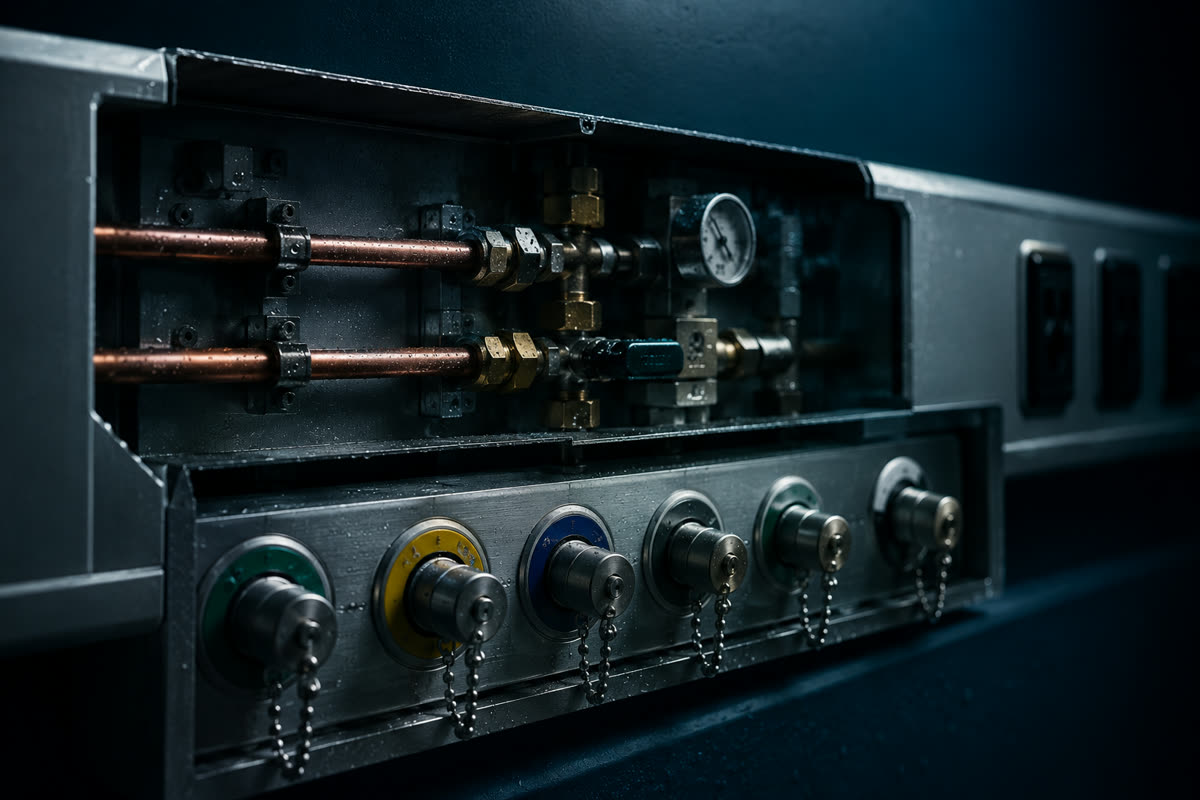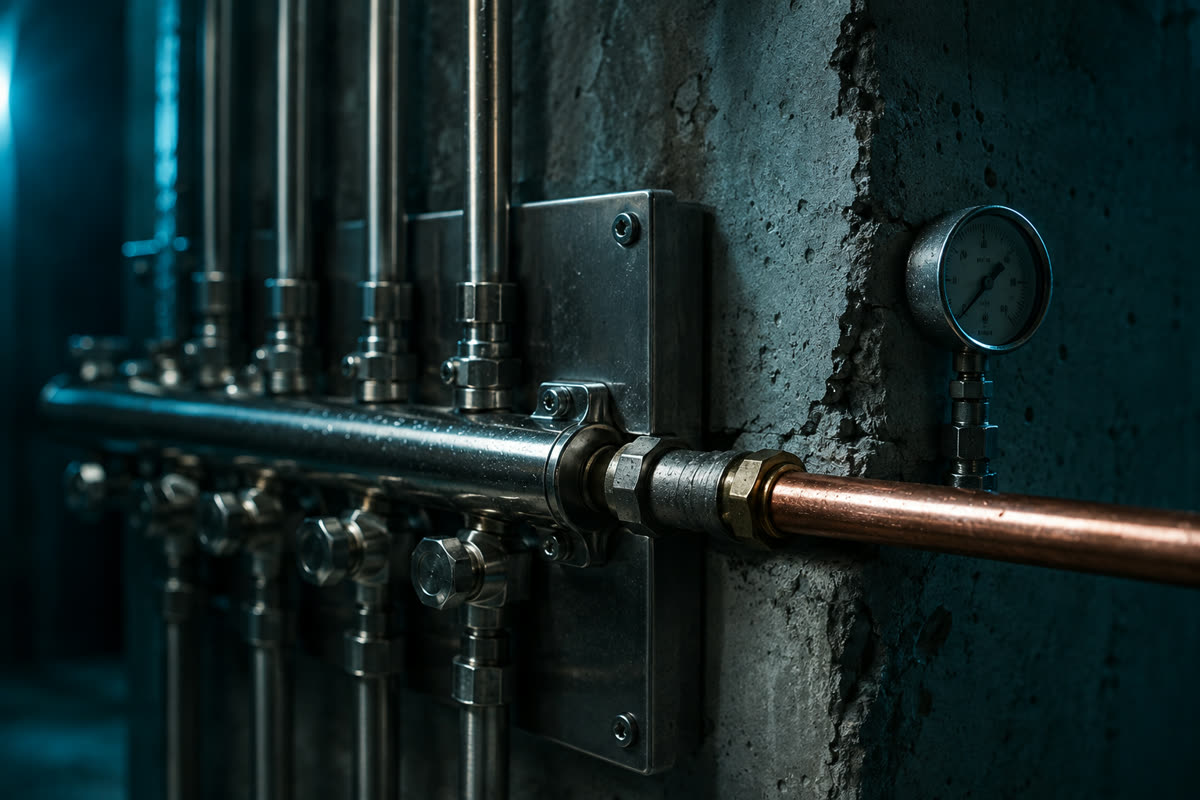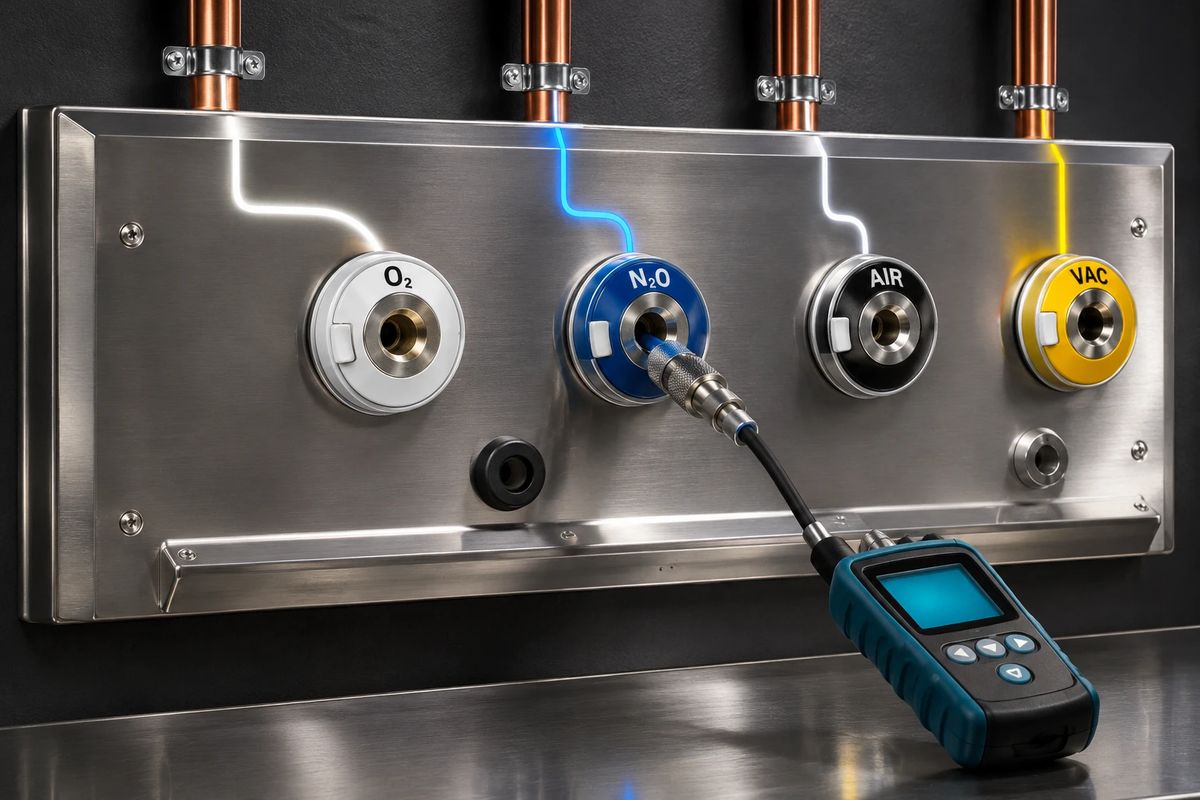






Medical vacuum in hospitals — what it is for, how the vacuum source works and what the standard requires
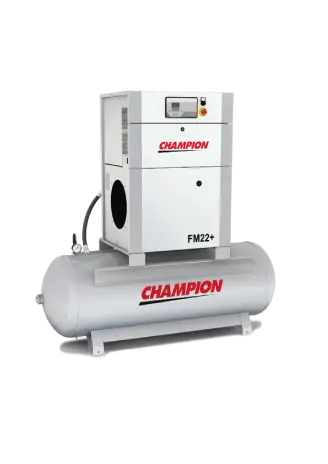
In brief. Medical vacuum is negative pressure generated centrally by a vacuum source and carried through pipelines to terminal units, where it is used to suction fluids, secretions and gases from the treatment field. The vacuum supply system has at least a primary, a secondary and a reserve source, bacterial filters upstream of the pumps, a reserve in another room or fire compartment, and an exhaust discharged outside the building. Medical vacuum works the opposite way to the other gases in a hospital. Nothing flows through it to the patient: the pipeline draws in air, and fluids suctioned at the bedside or in the operating theatre are held back by the jar and separator at the terminal unit. This determines how its source is designed and what its operation requires. Wha...
Read the full article